
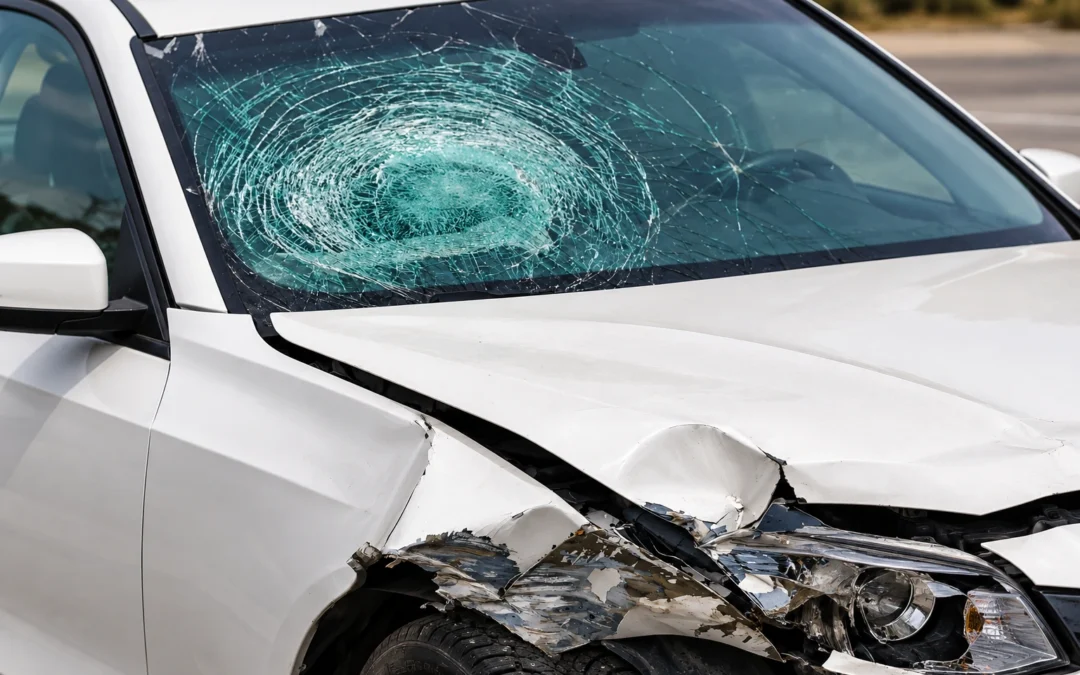
If you are hit by an uninsured or underinsured driver in California, your own uninsured/underinsured motorist (UM/UIM) coverage can pay for medical bills, lost wages and pain and suffering. California insurers must offer UM/UIM on every auto and motorcycle policy, and you generally must sue, settle or demand arbitration within two years of the crash. Peak Legal’s injury attorneys handle UM/UIM claims for drivers and riders statewide. Schedule a free case review with no upfront cost.
What Happens If You Are Hit by an Uninsured Driver in California?
If an uninsured driver causes your car or motorcycle accident, you can usually file a claim under your own uninsured motorist (UM) coverage. Your insurer steps into the shoes of the at fault driver and pays what that driver’s insurance would have paid, up to your policy limits. You can also sue the uninsured driver directly, but most uninsured drivers have few assets to collect from, which is why UM coverage is often the main path to compensation.
This is more common than many drivers expect. The Insurance Research Council estimated that about 20.4% of California drivers were uninsured in 2023, roughly one in five and well above the national average of 15.4%.
What Is the Difference Between Uninsured and Underinsured Motorist Coverage?
Uninsured motorist coverage applies when the at fault driver has no liability insurance, or when a hit and run driver cannot be identified. Underinsured motorist (UIM) coverage applies when the at fault driver is insured, but their policy limits are too low to cover your losses. California typically bundles the two as UM/UIM coverage on the same policy.
- Uninsured (UM): the at fault driver has no insurance, or is an unidentified hit and run driver
- Underinsured (UIM): the at fault driver is insured, but their limits do not cover your full damages
- Who pays: in both cases, the claim is made against your own insurance company
- What it covers: medical bills, lost wages, pain and suffering and other bodily injury damages
Are California Drivers Required to Carry UM/UIM Coverage?
Under California Insurance Code §11580.2, insurers must include uninsured motorist coverage on every auto policy unless the policyholder rejects it in a signed written waiver. Many people have this coverage without realizing it, so check your declarations page after any crash. If you never signed a waiver, the coverage may apply even if you do not remember choosing it.
California also raised its minimum liability limits on January 1, 2025, under Senate Bill 1107. The minimums rose from 15/30/5 to 30/60/15: $30,000 per person and $60,000 per accident for bodily injury, plus $15,000 for property damage. Those limits are scheduled to rise again to 50/100/25 in 2035. Even $30,000 rarely covers a serious injury, which is exactly the gap UIM coverage is designed to fill.

How Does Underinsured Motorist Coverage Pay Out in California?
California UIM coverage works on an offset basis. Your UIM policy pays the difference between your own UIM limit and the amount you recovered from the at fault driver’s insurer, not your full UIM limit on top of it. You must also generally exhaust the at fault driver’s policy limits before your UIM claim can proceed.
For example, suppose a driver with a $30,000 policy causes a crash that leaves you with $150,000 in damages, and you carry $100,000 in UIM coverage. You would collect $30,000 from the at fault driver’s insurer, and your UIM coverage could pay up to an additional $70,000. If your UIM limit were only $30,000, the UIM claim would typically pay nothing, which is why higher UIM limits matter.
Does Uninsured Motorist Coverage Apply to Motorcycle Accidents?
Yes. California’s UM/UIM rules apply to motorcycle policies, and riders should confirm UM/UIM coverage is on their motorcycle policy specifically. Motorcyclists face higher injury risk than car occupants, so an uninsured or underinsured driver can leave a rider with medical bills far beyond the at fault driver’s limits. Motorcycle claims also raise issues insurers commonly use to reduce payouts:
- Lane splitting: legal in California under Vehicle Code §21658.1, so it does not automatically make a rider at fault
- Helmet use: required under Vehicle Code §27803, and insurers may argue that not wearing one worsened head injuries
- Comparative fault: under California’s pure comparative negligence rule, a rider who shares some fault can still recover, reduced by their percentage of fault
- Rider bias: adjusters sometimes assume riders were speeding, so photos, witnesses and crash reconstruction evidence matter
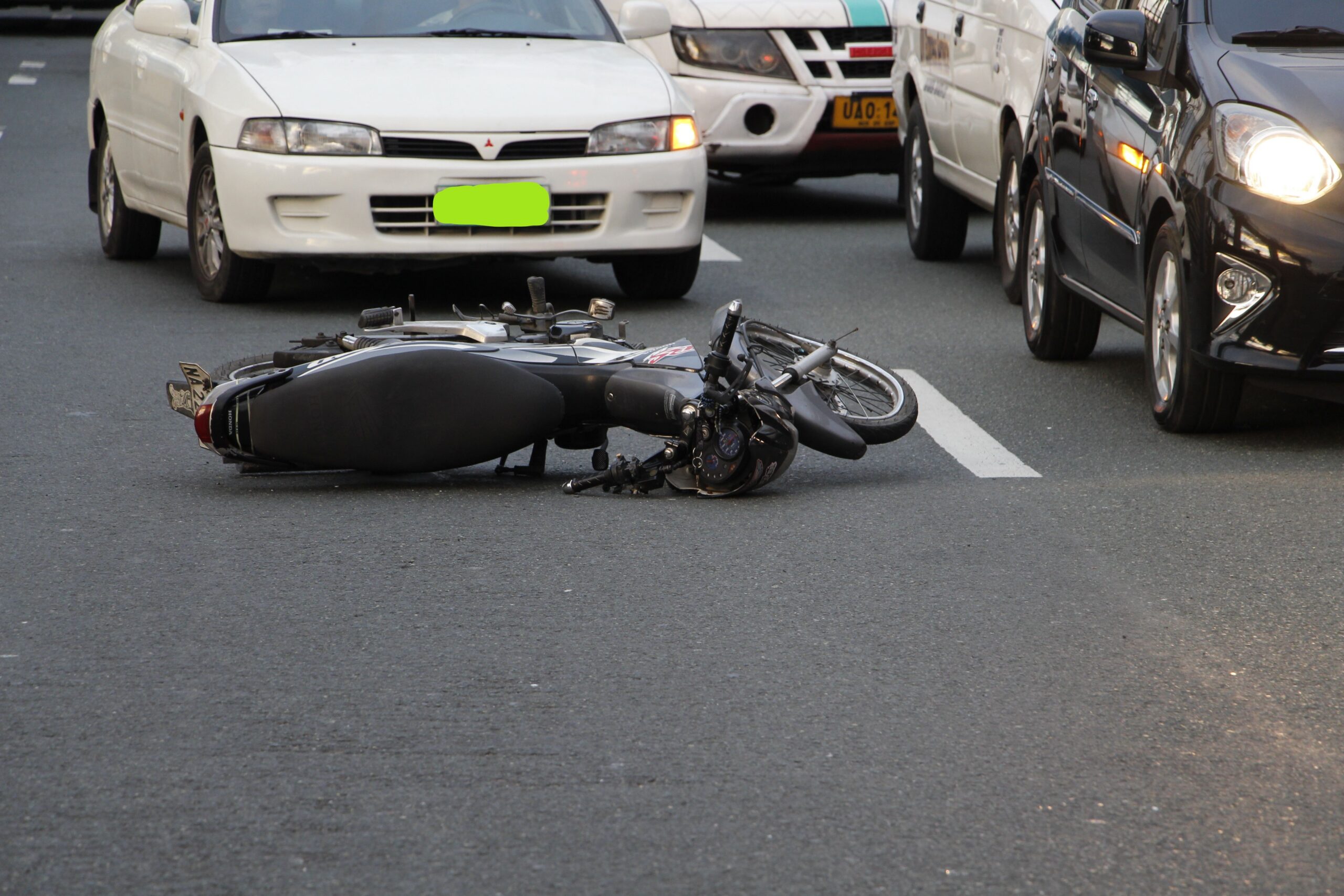
What If the Driver Who Hit You Fled the Scene?
A hit and run driver who cannot be identified is treated as uninsured under California law, but the rules are stricter than a standard UM claim. Insurance Code §11580.2(b) generally requires physical contact between the hit and run vehicle and you or the vehicle you occupied. A “phantom vehicle” that forced you off the road without touching you usually does not qualify.
- Report the hit and run to the police or California Highway Patrol within 24 hours
- Submit a sworn statement of the claim to your insurer within 30 days
- Photograph damage that shows the point of contact, and save any dashcam or surveillance footage
How Long Do You Have to File a UM/UIM Claim in California?
For most uninsured motorist claims, you must do one of three things within two years of the accident: file a lawsuit against the uninsured driver, reach a settlement agreement with your insurer, or formally demand arbitration in writing (Insurance Code §11580.2(i)). Simply notifying your insurer or negotiating with an adjuster does not stop this clock. UIM timelines work differently because the at fault driver’s limits must be exhausted first, but delay still creates risk. Read more about California personal injury filing deadlines.
Why Your Own Insurance Company May Fight Your Claim
In a UM/UIM claim, your own insurer becomes your opponent on the value of the claim. The company you have paid premiums to will evaluate your injuries the way it would evaluate a stranger’s claim, and it has a financial incentive to pay less. Adjusters may dispute whether treatment was necessary, argue that injuries were preexisting or assign you a share of fault.
Most California UM/UIM disputes are decided through binding arbitration rather than a jury trial. That makes preparation important: medical records, wage documentation and expert opinions often determine the result.
What If You Were the Uninsured Driver?
California’s Proposition 213, codified in Civil Code §3333.4, limits what an uninsured driver can recover after a crash, even when the other driver was entirely at fault. An uninsured driver generally cannot recover noneconomic damages, such as pain and suffering, but may still recover economic damages like medical bills and lost wages. There are exceptions, including when the at fault driver was under the influence, so it is worth having the facts reviewed.
What Compensation Can a UM/UIM Claim Cover?
UM/UIM bodily injury coverage pays the same categories of damages you could recover from an insured at fault driver, up to your policy limits:
- Past and future medical expenses, including surgery, therapy and rehabilitation
- Lost wages and reduced future earning capacity
- Pain and suffering and emotional distress
- Wrongful death damages for surviving family members, where applicable
Vehicle and motorcycle damage is usually handled separately through collision coverage or uninsured motorist property damage coverage, depending on your policy.
What Should You Do After an Accident With an Uninsured or Underinsured Driver?
- Call 911: get a police or CHP report, even if injuries seem minor.
- Document: photograph the vehicles, motorcycle, scene and the other driver’s license and plate.
- Witnesses: get names and phone numbers of anyone who saw the crash.
- Treatment: seek medical care right away and follow your treatment plan.
- Notify: tell your own insurer promptly, but avoid a recorded statement before getting legal advice.
- Check limits: request your policy declarations page to confirm your UM/UIM limits.
How Peak Legal Handles Uninsured and Underinsured Motorist Claims
Peak Legal represents California car accident and motorcycle accident victims in UM/UIM claims, including hit and run cases and claims where the at fault driver’s limits fall short. Our personal injury attorneys review your policy, identify every available source of coverage, track your deadlines and prepare your claim for negotiation or arbitration with your insurer. Clients pay no upfront fees, and consultations are free.
Frequently Asked Questions About Uninsured Motorist Claims in California
Will my insurance rates go up if I file an uninsured motorist claim?
California Insurance Code §491 generally prohibits insurers from raising your rates for a claim when you were not at fault. A UM claim for a crash caused by an uninsured driver should not, by itself, be treated as an at fault accident.
Can I sue an uninsured driver personally in California?
Yes. Filing a lawsuit against an uninsured driver within two years also preserves your UM claim. In practice, many uninsured drivers have limited assets, so your own UM/UIM coverage is usually the more reliable source of payment.
Does UM coverage protect me as a pedestrian or passenger?
Often, yes. Depending on your policy language, UM/UIM coverage may protect you and household family members when hit as a pedestrian or cyclist, or when riding as a passenger in someone else’s vehicle.
Is a UM/UIM claim decided by a jury?
Usually not. Most California auto policies require UM/UIM disputes over fault or claim value to go to binding arbitration under Insurance Code §11580.2(f), which is typically faster than a jury trial.
How much UM/UIM coverage should I carry in California?
Many injury attorneys recommend UM/UIM limits that match your own liability limits, and higher if you ride a motorcycle. Because California UIM coverage is offset by the at fault driver’s payment, carrying only the 30/60 minimum often provides little real UIM protection.
How do I start a UM/UIM claim with Peak Legal?
Contact Peak Legal or call (626) 517 1000 for a free case review. Bring your policy declarations page, the police report number and any photos or medical records you already have.
If you were injured by an uninsured or underinsured driver, contact Peak Legal for a free case review. Your own policy may provide more protection than you think, and acting early keeps every option open.